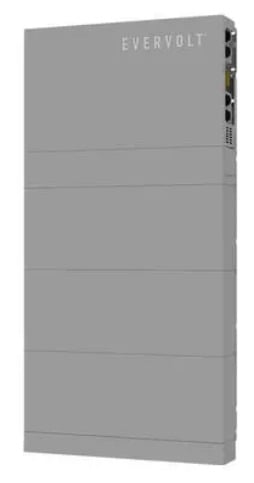
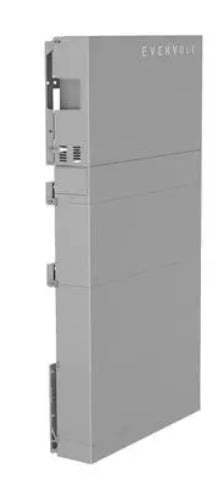
Evervolt Home Battery System
Panasonic Holdings Corporation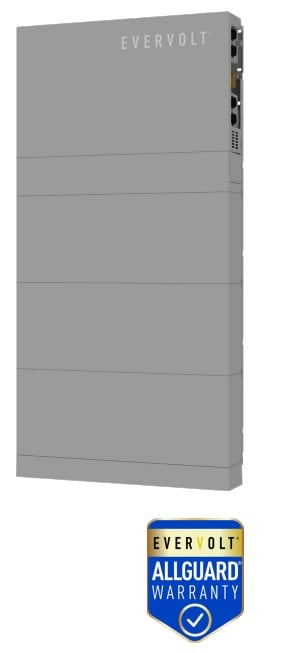
|
Precio por Pieza
|
|||
| Cantidad Mínima | 1-49 Uds | 50-199 Uds | |
| Plazo de entrega | 1 days | 3 days | |
| 5KWh LiFePo4 Battery | €670 | €643 | |
| 10KWh LiFePo4 Battery | €1.320 | €1.140 | |



Características del Producto
| N.º de Modelo |
|
|||
|---|---|---|---|---|
| Garantía de Producto (Min) | 12 Años | |||
| Tecnología Sistema de Almacenamiento | LFP (LiFePO4) | |||
| Voltaje Nominal |
|
|||
| Capacidad Nominal |
|
|||
| Corriente Máxima de Descarga |
|
|||
| Corriente Máxima de Carga |
|
|||
| Ciclos de Vida | 6000@90%DOD | |||
| Temperatura de Carga | -0 ~ +50 ℃ | |||
| Temperatura de Descarga | -10 ~ +50 ℃ | |||
| Temperatura de Almacenamiento | -20 ~ +50 ℃ | |||
| Dimension (L*A*A) |
|
|||
| Peso |
|
|||
| Potencia Maxima DC |
|
|||
| Tension maxima |
|
|||
| Tension minima para iniciar alimentacion |
|
|||
| Maxima corriente DC |
|
|||
| Rango de Tension MPP(T) |
|
|||
| Tension de MPPT |
|
|||
| Entrada DC |
|
|||
| Potencia nominal AC |
|
|||
| Voltaje AC Clasificada |
|
|||
| Corriente nominal AC |
|
|||
| Frecuencia |
|
|||
| Factor de potencia (cosφ) |
|
|||
| Distorsion (THD) |
|
|||
| Eficiencia maxima |
|
|||
| Dimensiones (A/A/F) |
|
|||
| Peso |
|
|||
| Nivel de ruido |
|
|||
| Temperatura de Funcionamiento | -25 ~ +60 ℃ | |||
| Clase de Protección | NEMA 4X | |||
| Humedad | 0-95 % | |||
| Enfriamiento | Natural | |||
| Altitud maxima | 3000 m | |||
| Interface | RS 485, WLAN | |||
| Descargar pdf del Fabricante | ||||
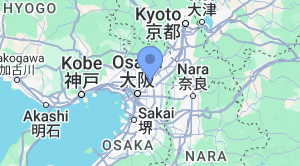

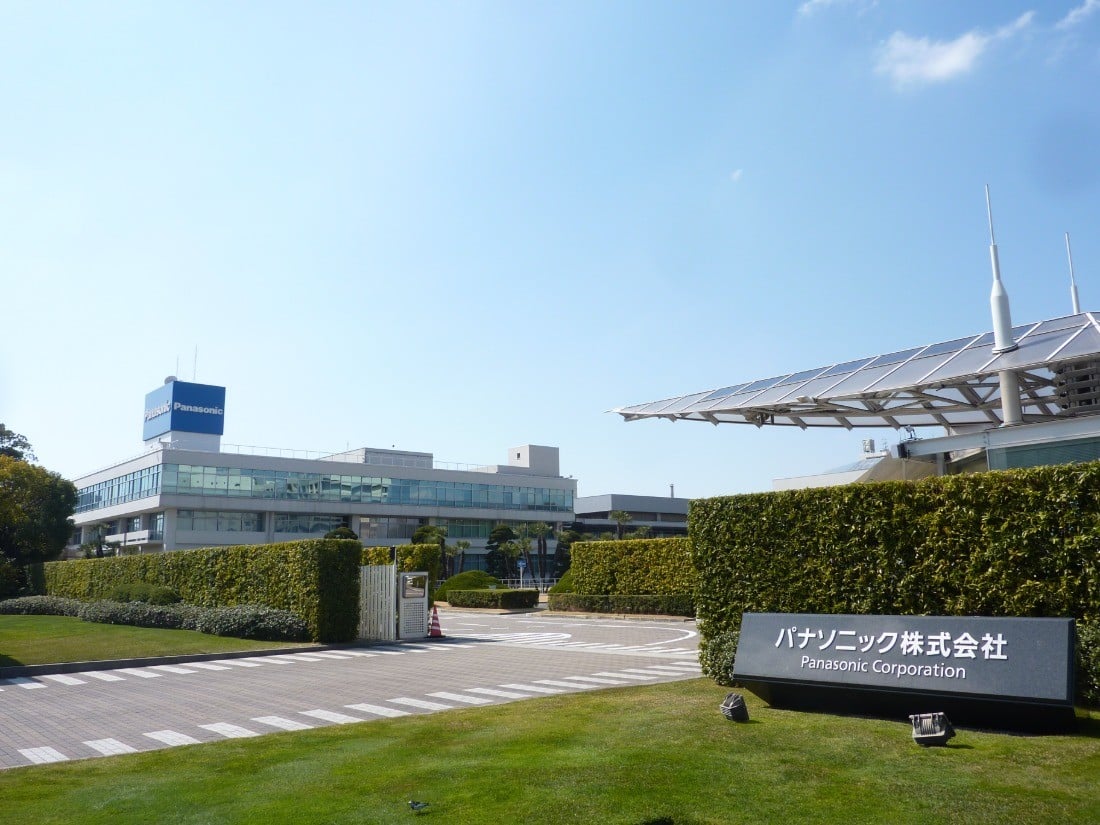
Panasonic Holdings Corporation is a leading Japanese multinational electronics company headquartered in Kadoma, Osaka Prefecture, Japan.
Founded in 1918 by Kōnosuke Matsushita as Matsushita Electric Housewares Manufacturing Works in Osaka, the company was incorporated in 1935 as Matsushita Electric Industrial Co., Ltd. In 2008, it rebranded as Panasonic Corporation, and in 2022, it transitioned into a holding company, adopting its current name.
Beyond consumer electronics—where it was the world's largest manufacturer in the late 20th century—Panasonic provides a diverse range of products and services, including rechargeable batteries, automotive and avionics systems, industrial solutions, and home renovation and construction services.
Estas placas solares ofrecen un alto rendimiento, tienen un buen aguante ante altas temperaturas y tienen una larga durabilidad, no hemos necesitado realizar reparaciones por fallos técnicos en este tipo de placas.
Esta marca de paneles solares es un poco más cara que otras marcas japonesas, pero su rendimiento es muy bueno. Actualmente, sus módulos son muy populares en nuestra área.
Sanyo excels on the PV market thanks to high yield panels with high glass quality that stands up to bad weather. For those who are looking for optimization of small roofs, this is more than ideal.
SANYO HIP 214 and 215 both have high yields and are cost effective. They have an extensive power range considering their size and the design is excellent. They are particularly well suited for integration of black or red tiles.
-- Laurent Koehl, BS ELEC
We choose Sanyo HIT series because this brand has the best electricity generation efficiency per area among Japanese manufacturers. Besides, compared to other brands, we find that Sanyo HIT can produce electricity 1.1 times bigger.
We choose Sanyos panels because they can generate electricity most efficiency per area among Japanese PV panel makers. This feature is attractive because typical Japanese houses have relatively small roof area.
-- Nishihara, Sunjunior Co., Ltd.
We always use PV panels made by Sanyo because the quality of Sanyo products is very high level. Our customers are also satisfied with their quality and performances.
We select power inverters made by Sanyo because these products can maximize the performances of Sanyos PV panels. Our customers feel happy with the overall performance of Sanyo PV system. Sanyo inverter is essential to this system.
As a whole single PV system, both we and our customers are very satisfied with its quality and performance. Therefore, we decided to use Sanyos monitoring system as well as other components.
Sanyo has two good points. First, its solar modules can produce bigger amount of electricity than other Japanese brands. Second, Sanyo products are lighter than other brands so that we feel easy to install.